If you have dry eye, finding a contact lens that feels comfortable can be frustrating. Some people can wear regular soft contacts without much trouble, while others notice burning, irritation, blurry vision, or discomfort after only a few hours.
That is one reason scleral lenses are sometimes recommended for people with more significant dry eye or ocular surface problems. But when people ask, “What are the best scleral lenses for dry eye?” There is not one brand or one lens design that is best for everyone. The best scleral lens for dry eye is usually the one that is fit correctly for your individual eye, prescription, tear film, and symptoms.
Dr. Letourneau works with patients who come in with dry eye, contact lens discomfort, irregular corneas, keratoconus, and other conditions that can make regular contacts harder to wear.
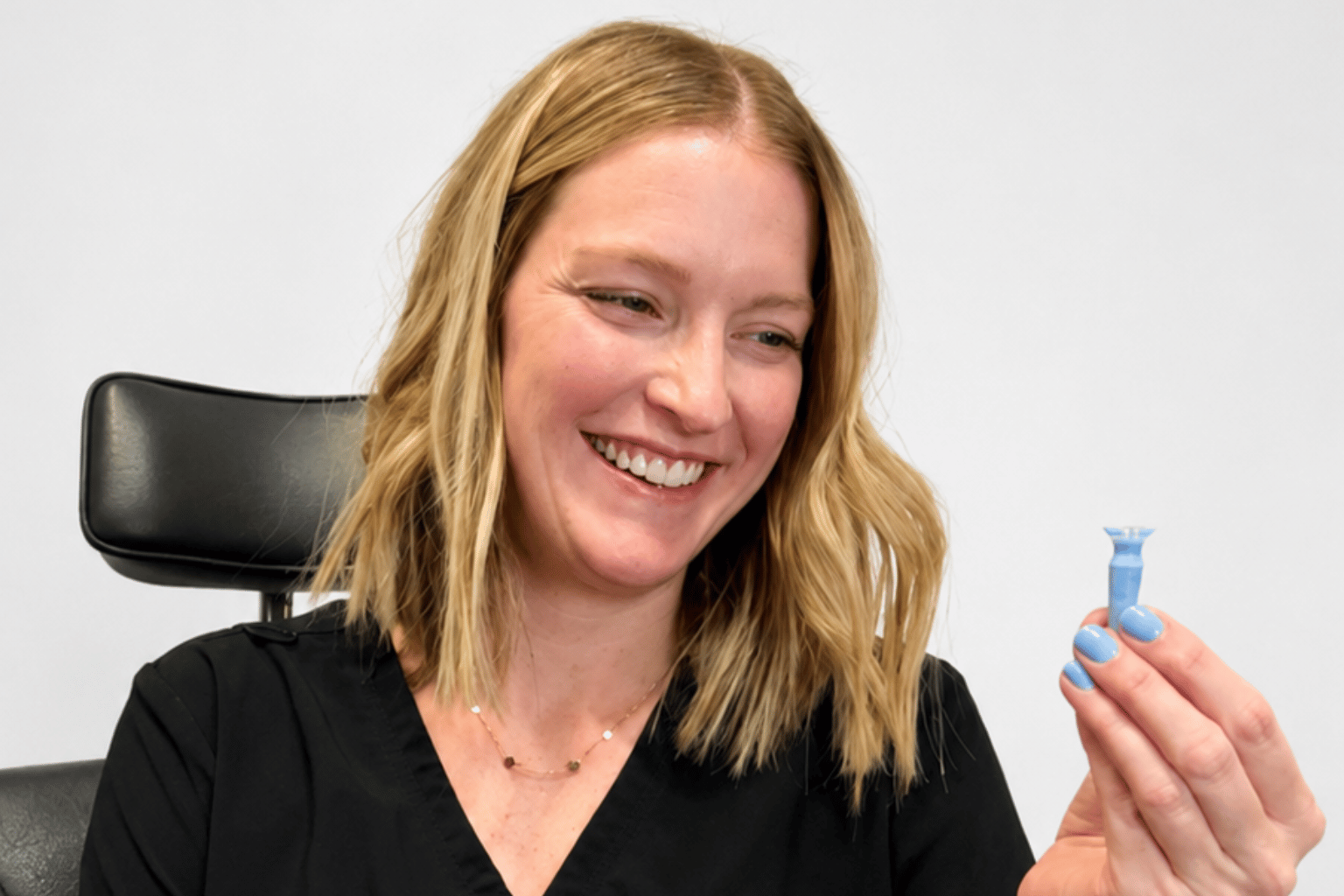
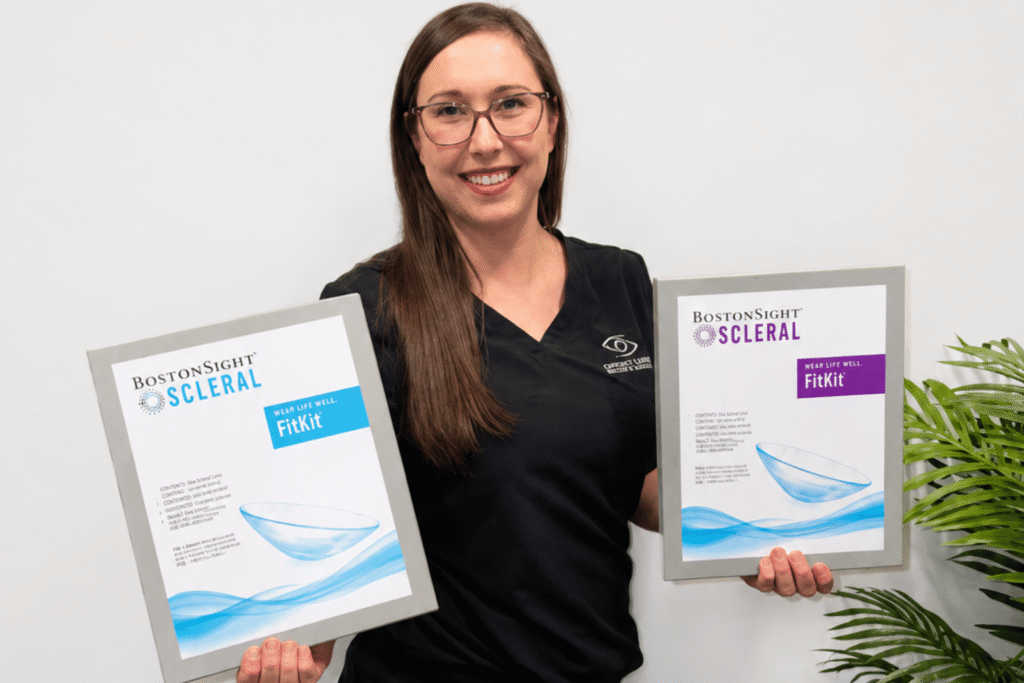
Our Specialty Contact Lens Coordinators, Molly and Cassie, also help patients throughout the process, including learning how to insert, remove, fill, and care for their scleral lenses. We see patients from the Kansas City area, Lawrence, Topeka, and surrounding Kansas and Missouri communities who are looking for a more customized contact lens option.
Why Can Scleral Lenses Help With Dry Eye?
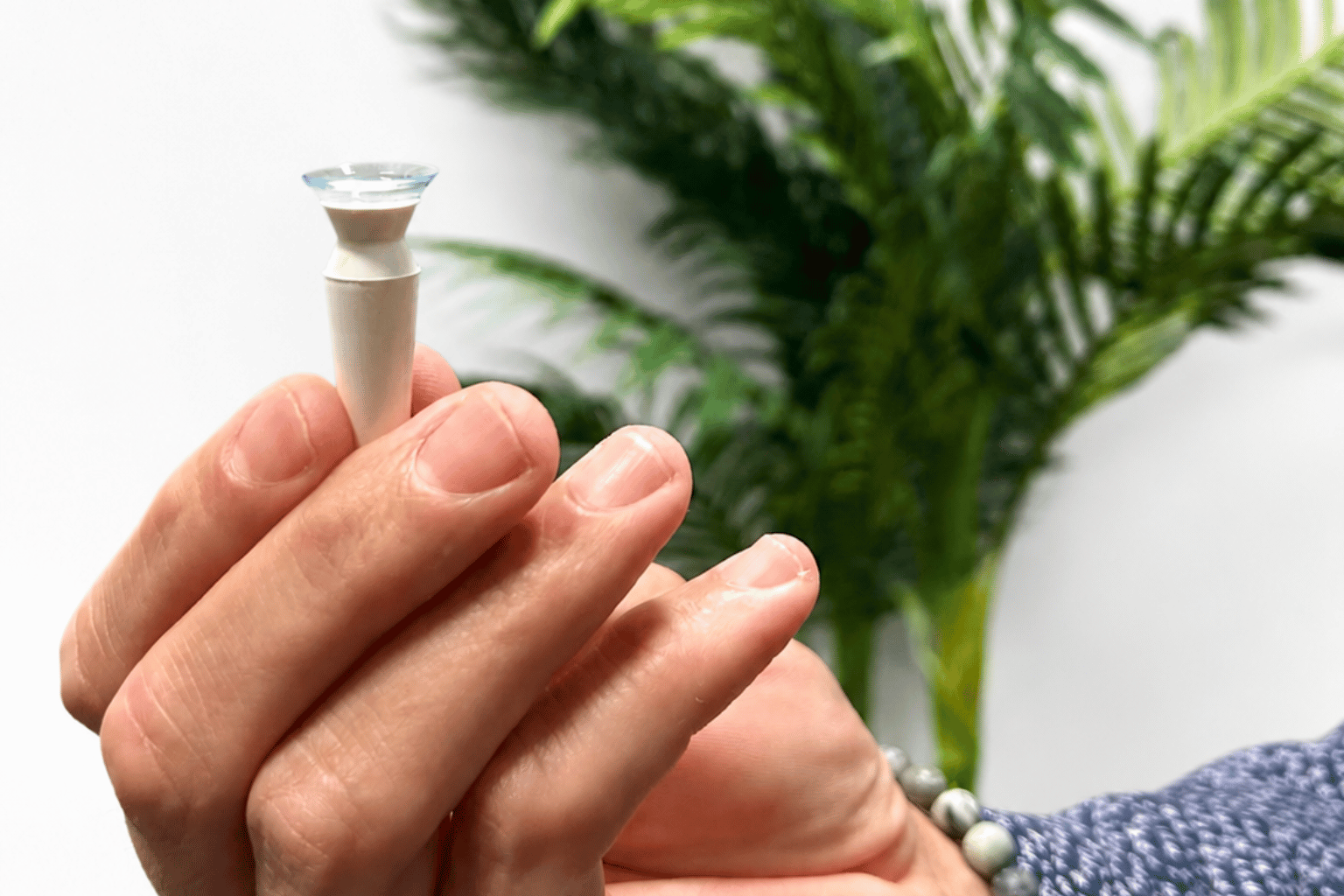
Scleral lenses work differently from regular soft contact lenses. Instead of resting directly on the cornea, a scleral lens is larger and rests on the sclera. The center of the lens vaults over the cornea.
Before the lens is inserted, it is filled with preservative-free saline. That saline stays between the lens and the surface of the eye while the lens is being worn. For some people with dry eye, that fluid reservoir can help protect the cornea and keep the surface of the eye covered throughout the day.
This is one of the biggest reasons scleral lenses may be considered for patients who have not been comfortable in traditional contact lenses.
Are Scleral Lenses Good for Everyone With Dry Eye?
No. Dry eye can be caused by a lot of different things, so scleral lenses are not automatically the right answer for every person.
Some people have mild dryness that can be managed with simpler treatments. Others may have more significant ocular surface disease, inflammation, tear film problems, eyelid issues, or other conditions that need to be addressed.
That is why Dr. Letourneau looks at the entire eye instead of deciding based only on the words “dry eye.” The first step is figuring out what is actually contributing to the dryness and discomfort. For some patients, a scleral lens may be a good part of the treatment plan. For others, a different approach may make more sense.
So, What Is the Best Scleral Lens for Dry Eye?
The best scleral lens is usually not about choosing a certain brand. It is about how well the lens fits your eye.
A scleral lens needs to have the right amount of clearance over the cornea, the right shape where it rests on the sclera, and the right overall design for that individual patient. Two people can both have dry eye and still need completely different scleral lens designs.
One person may need more clearance. Another may need a different landing zone. Someone else may need changes to the lens because of the shape of the sclera or because they are experiencing fogging or redness. That is why custom fitting matters so much!
Why Fit Matters So Much for Dry Eye
A scleral lens can only work well if it fits properly. If the lens puts too much pressure on one part of the eye, it may cause redness or discomfort. If the fit is too loose, the lens may move more than it should or allow tears and debris to get underneath it.
The goal is to create a lens that stays stable while still fitting the eye in a healthy way. Dr. Letourneau evaluates how the lens sits on the sclera, how much clearance there is over the cornea, and how the eye looks after the lens has been worn.
He also asks patients how the lens actually feels during normal daily wear. That part matters. A lens can look fine during an exam but still need changes based on how it feels after several hours.
What Does the Saline Reservoir Do?
One of the most important parts of a scleral lens is the fluid reservoir underneath it. Before putting the lens in, the bowl of the lens is filled completely with preservative-free saline. When the lens is inserted correctly, that saline sits between the lens and the cornea.
For dry eye patients, this can create a protected environment over the surface of the eye. The fluid does not “cure” dry eye, but it can help reduce exposure and friction for certain patients. This is one reason some people with significant dry eye are surprised that a contact lens can actually feel more comfortable than they expected.
Why Preservative-Free Saline Matters
Scleral lenses should be filled with the solution recommended by your eye care provider. For many patients, that means preservative-free saline. Because the saline sits against the eye underneath the lens for hours, preservatives can be irritating for some people.
Dr. Letourneau and our team at CLIK review which products to use and how to fill the lens properly. Molly and Cassie, our Specialty Contact Lens Coordinators, also spend time helping patients get comfortable with the day-to-day routine, including how much saline to use and how to avoid spilling it during insertion.
It can feel awkward at first, but most patients get better with practice!
Can Scleral Lenses Still Feel Dry?
Yes, sometimes. Even though the cornea is sitting behind a fluid reservoir, the front surface of the lens can still become dry. Some patients notice that the lens feels good at first but becomes less comfortable later in the day. Others notice blurry or hazy vision. That does not always mean the lens is wrong.
There are several possible causes, including the tear film, the surface of the lens, debris, mucus, oils, or the way the lens is fitting. This is why follow-up visits are very important! If a patient tells Dr. Letourneau, “It feels great for four hours and then starts bothering me,” that information is useful. It helps him figure out whether the issue is related to the fit, the surface of the lens, the eye itself, or something else.
What About Fogging?
Midday fogging is something some scleral lens wearers experience. This usually feels like the vision gets cloudy or hazy after wearing the lens for a while. Sometimes debris can collect underneath the lens in the fluid reservoir. A patient may need to remove the lens, clean it, refill it with fresh saline, and put it back in.
But if fogging happens often, that is something to bring up at a follow-up visit. The lens may need a fit adjustment, or there may be another reason the debris is getting underneath the lens. Dr. Letourneau looks at both the lens and the eye to figure out what is contributing to the problem.
Are Scleral Lenses Comfortable for Dry Eye?
For some patients, yes. That is one of the biggest reasons people with dry eye are interested in them. Because the lens vaults over the cornea, it does not rest directly on the most sensitive part of the eye the same way some other rigid lenses do.
The saline reservoir can also help protect the surface of the eye. But comfort still depends on the fit. A poorly fitted scleral lens can still feel uncomfortable, so the goal is not simply to put any
scleral lens on the eye. The goal is to create a lens that works with the shape of that specific eye.
What Does Dr. Letourneau Look for During a Dry Eye Scleral Lens Evaluation?
Dr. Letourneau looks at more than just the prescription. He evaluates the cornea, the sclera, the tear film, the surface of the eye, and the patient’s symptoms.
He also wants to know what the patient has already tried. Some patients come to CLIK after trying several different soft contact lenses. Others have used eye drops, changed contact lens brands, shortened their wear time, or stopped wearing contacts altogether because they became too uncomfortable.
That history can be just as important as the measurements. Dr. Letourneau often starts by figuring out whether the main problem is dryness, lens fit, the shape of the cornea, the prescription, or a combination of several things. That helps determine whether scleral lenses make sense and what type of design may work best.
What Happens During the Fitting Process?
A scleral lens fitting is more detailed than a standard contact lens appointment. Measurements are taken to better understand the shape of the eye. A diagnostic scleral lens may then be placed on the eye so Dr. Letourneau can see how it sits.
He checks the amount of space over the cornea, how the edge of the lens rests on the sclera, and how the lens looks after it has been on the eye. Because scleral lenses are customized, it may take more than one visit to fine-tune both the vision and the fit.
Learning How to Use Scleral Lenses
For new scleral lens wearers, insertion and removal can look like the hardest part. The lens is larger than a regular contact lens, and it needs to be filled with saline before it is placed on the eye.
That takes some practice. This is where Molly and Cassie, our Specialty Contact Lens Coordinators at CLIK, are a big part of the process!
They help patients learn how to hold the lens, fill it correctly, insert it without trapping an air bubble, remove it safely, and clean it properly. We do not expect someone who has never worn a scleral lens to know how to do all of that right away.
It can take a few tries, and that is completely normal! The goal is for patients to leave feeling comfortable enough to manage their lenses at home.
How Do You Know if a Scleral Lens Is Working Well?
A good scleral lens should do more than help you see clearly. It should also feel comfortable and fit the eye in a healthy way.
Dr. Letourneau looks at several things during follow-up visits, including how the lens sits after being worn, whether there is any redness or pressure, how clear the vision is, and how the patient feels throughout the day.
Patients should also pay attention to their own experience. If the lens feels good in the morning but becomes uncomfortable later, that is worth mentioning. If the vision starts out clear and becomes foggy, that is useful information too. The more specific the patient can be, the easier it is to figure out what may need to be adjusted.
What if My Scleral Lenses Still Feel Dry or Uncomfortable?
A scleral lens may need to be adjusted. The issue may also be related to the tear film, dry eye itself, lens care, the filling solution, or something else happening on the surface of the eye.
If you are wearing scleral lenses and something does not feel right, give us a call! Significant pain, unusual redness, sudden vision changes, or new symptoms should always be taken seriously.
Are Scleral Lenses a Cure for Dry Eye?
No. Scleral lenses can be very helpful for some people, but they do not cure the underlying cause of dry eye.
Think of them as one possible tool. For some patients, they may help protect the cornea and make the eyes feel more comfortable. For others, dry eye treatment may need to include other things as well. The right plan depends on what is causing the dryness in the first place.
Who Might Be a Good Candidate?
Someone may be a good candidate for scleral lenses if they have significant dry eye and have struggled to get comfortable with regular contact lenses. They may also be considered for people with ocular surface disease, irregular corneas, keratoconus, corneal scarring, or certain post-surgical changes.
But the diagnosis alone does not decide it. Dr. Letourneau looks at the whole picture, including the shape of the eye, the health of the cornea, the patient’s symptoms, and what has already been tried.
The Best Scleral Lens for Dry Eye Is the One That Fits You
There is not one scleral lens that is automatically the best for every person with dry eye. The best option is the one that fits your eye properly, gives you clear vision, feels comfortable, and supports the health of the surface of the eye.
That is why the fitting process matters so much! At Contact Lens Institute of Kansas, Dr. Letourneau works closely with each patient to figure out what is causing their contact lens discomfort and whether a scleral lens may be a good option. Molly and Cassie, our Specialty Contact Lens Coordinators, are also there to help patients learn how to use and care for their lenses so they feel confident once they leave the office.
We see patients from the Kansas City area, Lawrence, Topeka, and surrounding Kansas and Missouri communities who are looking for specialty contact lens care.
If dry eye has made regular contact lenses uncomfortable or difficult to wear, a scleral lens evaluation may help you find out what other options are available!